Xavier Rubio Franch On Oceans, Authenticity, and Why Sustainability Needs a New Wave
The social impact landscape is changing rapidly. As organizations navigate shifting public expectations, evolving technologies, and new approaches to engagement, Anthem Awards judges have a unique vantage point on the ideas and initiatives driving meaningful progress.
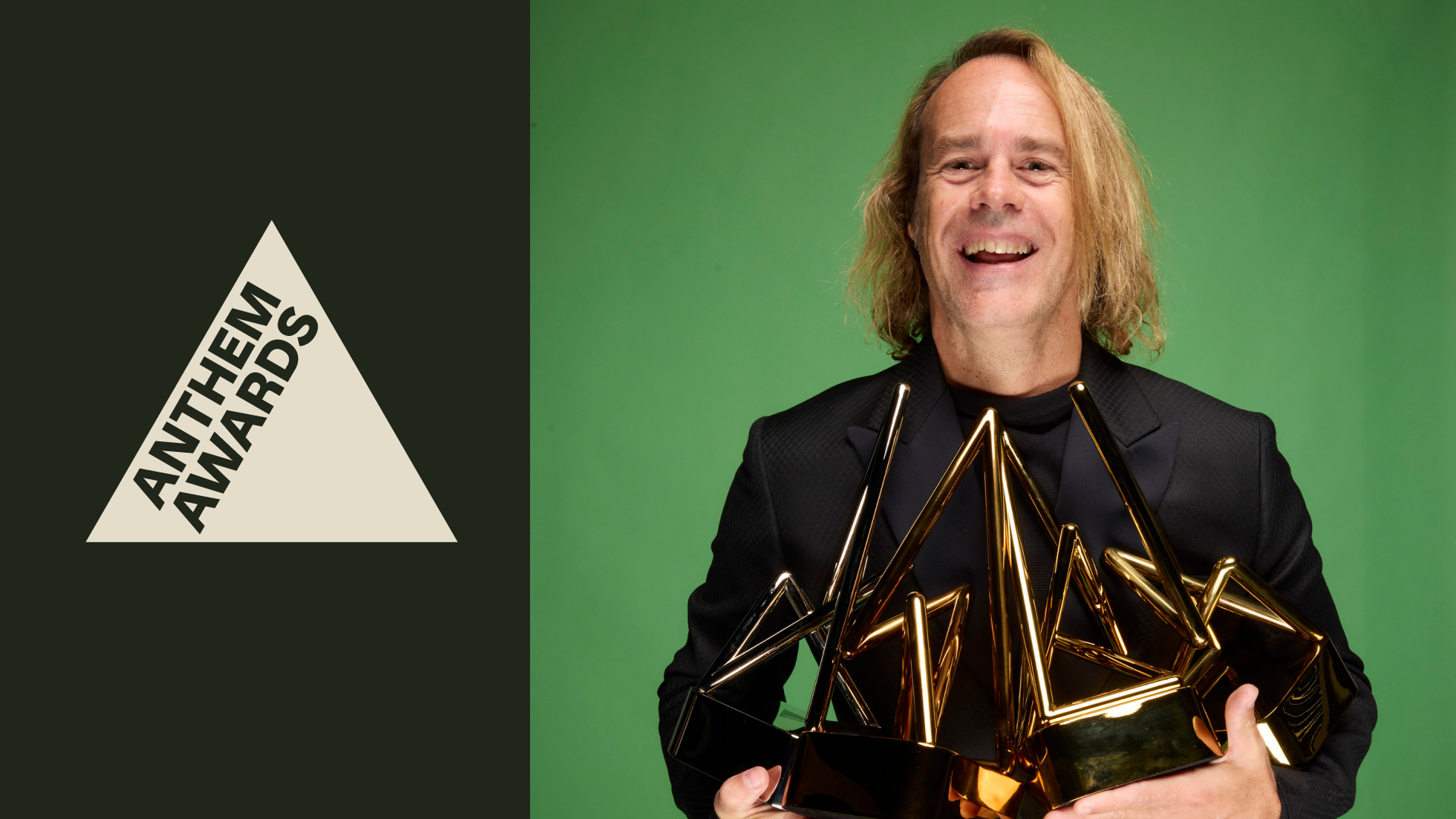
Through our Judge Reflections series, we’re exploring the perspectives shaping the future of impact. In this edition, we’re speaking with Xavier Rubio Franch, Founder and CEO of Old Surfer Communications, creator of The Ocean Connections, and an Executive Judge for The Anthem Awards.
Drawing on more than 25 years of experience leading global campaigns for brands including Unilever, Diageo, Mondelez, and Danone, Xavier shares why authenticity is becoming the defining currency of sustainability communications, how brands can navigate the tension between greenwashing and green hushing, and why he believes the ocean represents one of the most important cultural and economic opportunities of our time.
You’ve had a long career in global advertising. How did you end up here, building a sustainability agency rooted in ocean culture?
All of my background comes from the advertising industry. I had the opportunity to work across Europe, Latin America, and the US with major global brands: Unilever, PepsiCo, Diageo, Mondelez, Danone. That was my world for over 25 years.
But my real passion has always been the ocean. I’ve been surfing my entire life, all over the world. I got married on surfboards with my wife in the middle of the Pacific Ocean. My daughter’s name is Ona, a Catalan word that means “wave.” The ocean isn’t a metaphor for me. It’s my life.
When I founded Old Surfer Communications, the idea was to take everything I knew about creativity and strategy and apply it to projects that genuinely protect the environment. Not sustainability as a trend, but sustainability as a real change in consumer behavior. That’s what we’re built to do.
What are you most focused on and excited about right now?
The oceans. We’ve sent missions to Mars. We’ve explored the moon. And yet we’ve only explored less than 5% of our oceans, which represent a $3 trillion economic opportunity. The balance between conservation and growth is one of the most important challenges of our time, and almost no one is treating it that way.
That’s why I created The Ocean Connections, a cultural platform that brings together brands, scientists, and storytellers around the Blue Economy. We have NBA players on the platform, National Geographic researchers, Michelin-starred chefs. The goal is to make the ocean a living cultural territory, not just an environmental cause.
One project I’m especially proud of right now is a documentary rethinking the surf industry. Surfboards are still made with fiberglass, the same aerospace-era material used for over 70 years. Wetsuits are made from petroleum-based neoprene. It’s an industry with an image of being in harmony with nature that hasn’t updated its materials in generations. We’re making all of our research open source so shapers (the artisans who craft surfboards) can start using more sustainable materials without sacrificing performance. That’s Blue Economy thinking in practice.
What’s the hardest lesson you’ve learned since launching Old Surfer?
Adaptability is essential. The world is changing constantly, brands are changing, conversations are shifting, and something new seems to happen every week. You have to be able to move with it.
But here’s what I’ve learned: adaptability does not mean abandoning your purpose. If a brand changes its entire positioning every time the news cycle shifts, it loses credibility with consumers and especially with the next generation.
We’re doing research with Gen Alpha right now, and what they’re telling us is clear: they don’t want brands to tell them stories anymore. They want brands to help them become part of the solution to real problems. They want participation, not narration.
So the lesson is this: stay adaptive, but stay anchored. Your core values have to remain constant. That’s what makes the adaptability meaningful.
What’s overhyped or underrated in the sustainability and brand space right now?
Right now, brands are caught between two traps. On one side, greenwashing, making false or inflated sustainability claims that erode trust. On the other, green hushing, going completely silent on sustainability out of fear of backlash.
Neither works. And that’s exactly what our Blue Storydoing methodology was built to solve.
Blue Storydoing is a bridge between those two extremes. It helps brands communicate what they are genuinely doing, grounded in data, activated through credible partners, and connected to real human insight. It’s not storytelling. It’s doing, turning a brand’s sustainability reality into something people can actually experience and believe.
Here’s the challenge we solve: someone living far from the coast may intellectually know there’s plastic in the ocean, but it doesn’t connect with them personally. Blue Storydoing finds the insight that makes it personal, then builds a credible, data-backed narrative around it. And because we’ve worked across Europe, Latin America, and the US, the methodology is designed to flex. Different markets are at very different stages of this conversation, and the entry point has to match where consumers actually are.
_______________________________________________________________________________________________________
Set the New Standard for Good: Submit before Friday, July 31
If you’re creating standout social impact work, enter it in the 6th Annual Anthem Awards. With new categories and expanded honors in Sustainability, Environment & Climate, there are more ways than ever before to set the new standard for good. Submit your work by the Final Entry Deadline on Friday, July 31.