5 Anthem-Winning Projects Telling Stories That Matter
From Indigenous justice and public health to climate action and gun violence, add these Anthem Award-winning films to your weekend watchlist.
Some stories do more than hold our attention. They uncover histories that have gone overlooked, bring us closer to experiences outside our own, and give people a new way to understand the issues shaping our world.
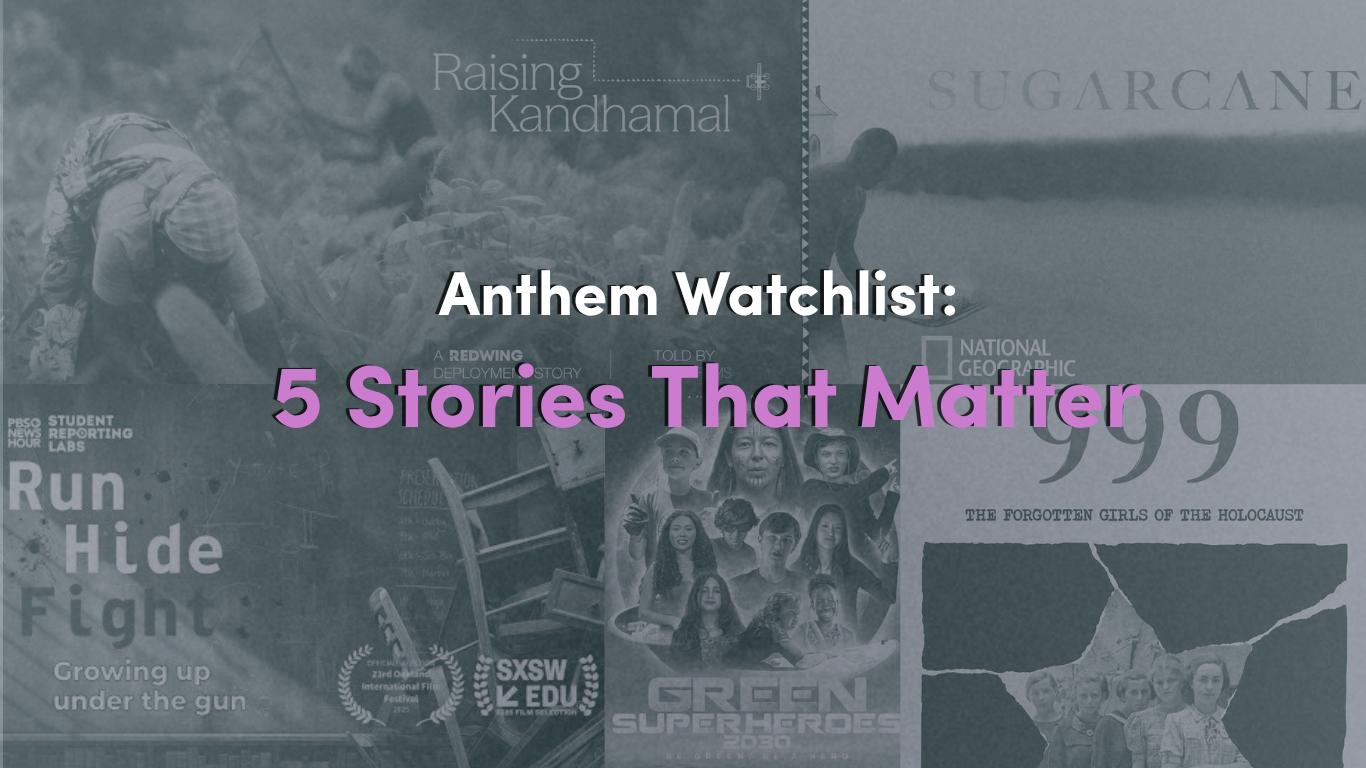
Across The Anthem Awards, filmmakers, journalists, nonprofits, advocates, and organizations have used the medium to explore some of today’s most pressing issues. From confronting the lasting impact of residential schools to documenting young people taking action against climate change and gun violence, these Anthem-winning films show how storytelling can inform, challenge, and inspire action.
For your next weekend watch, explore five films recognized by The Anthem Awards for telling stories that matter.
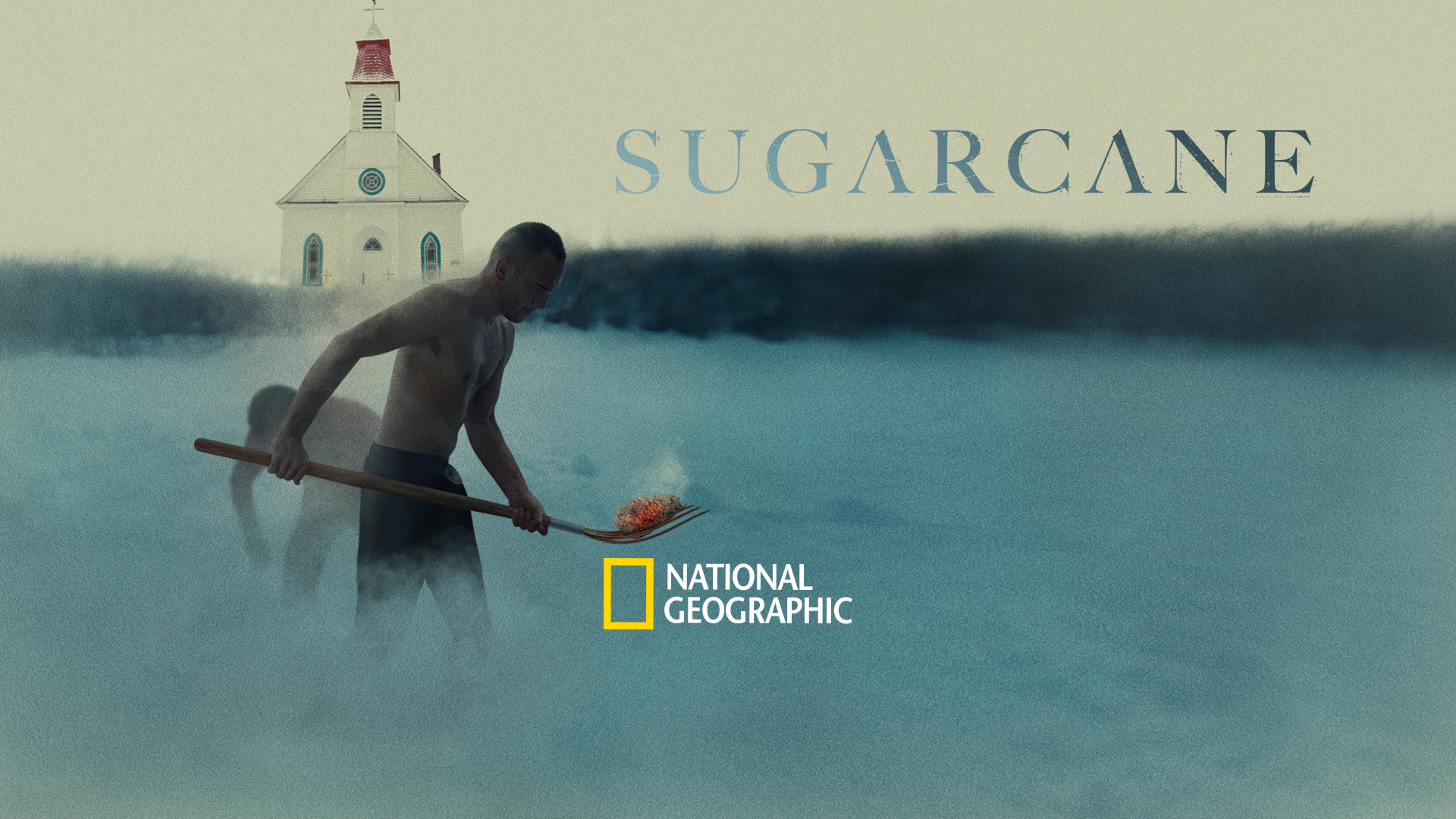
Sugarcane
The Oscar-nominated feature documentary SUGARCANE investigates an Indian residential school and the lasting impact of a system built around the forced separation and assimilation of Indigenous children. Rather than treating that history as something confined to the past, the film brings audiences into a story whose consequences continue to reverberate through families and communities. Through its investigation, SUGARCANE sheds light on experiences of abuse and institutional harm while creating space for Indigenous people to confront a history that was hidden for generations. It is a powerful example of documentary filmmaking’s ability to uncover difficult truths while centering the people who have lived them.
Watch for: A deeply personal investigation into history, accountability, and the enduring impact of residential schools.
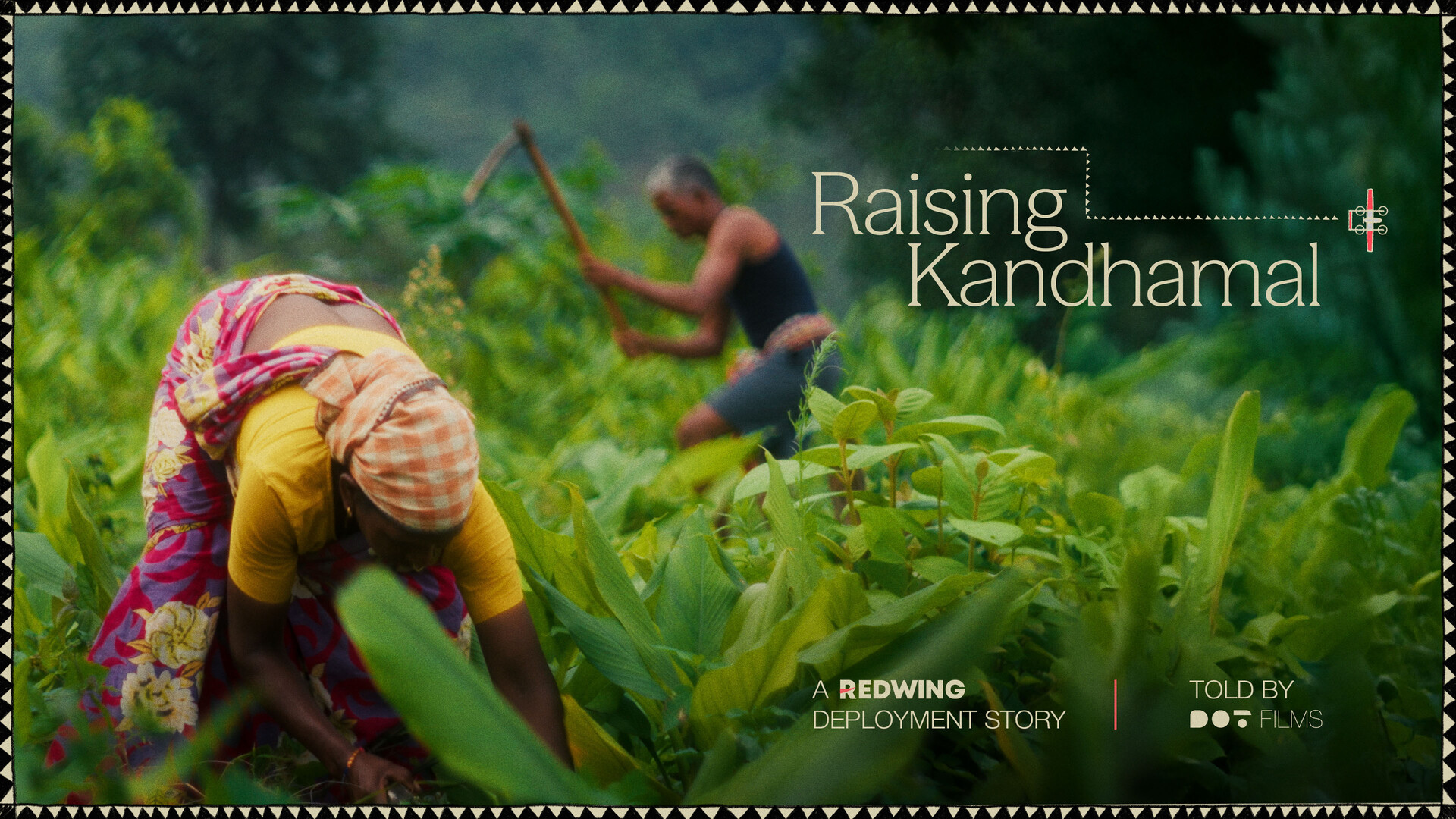
Raising Kandhamal
In Odisha’s Kandhamal district, Raising Kandhamal follows one family’s experience with sickle cell disease, bringing attention to a health crisis that too often goes overlooked. By grounding a larger public health issue in the experience of one family, the documentary gives audiences a human entry point into the realities of living with the disease. The result is a story about health that is also about family, access, awareness, and what it means to navigate a serious condition within an underserved community. The film demonstrates the role storytelling can play in making overlooked health challenges more visible, particularly when the people most affected are placed at the center of the narrative.
Watch for: An intimate look at how one family’s experience can illuminate a much larger public health challenge.
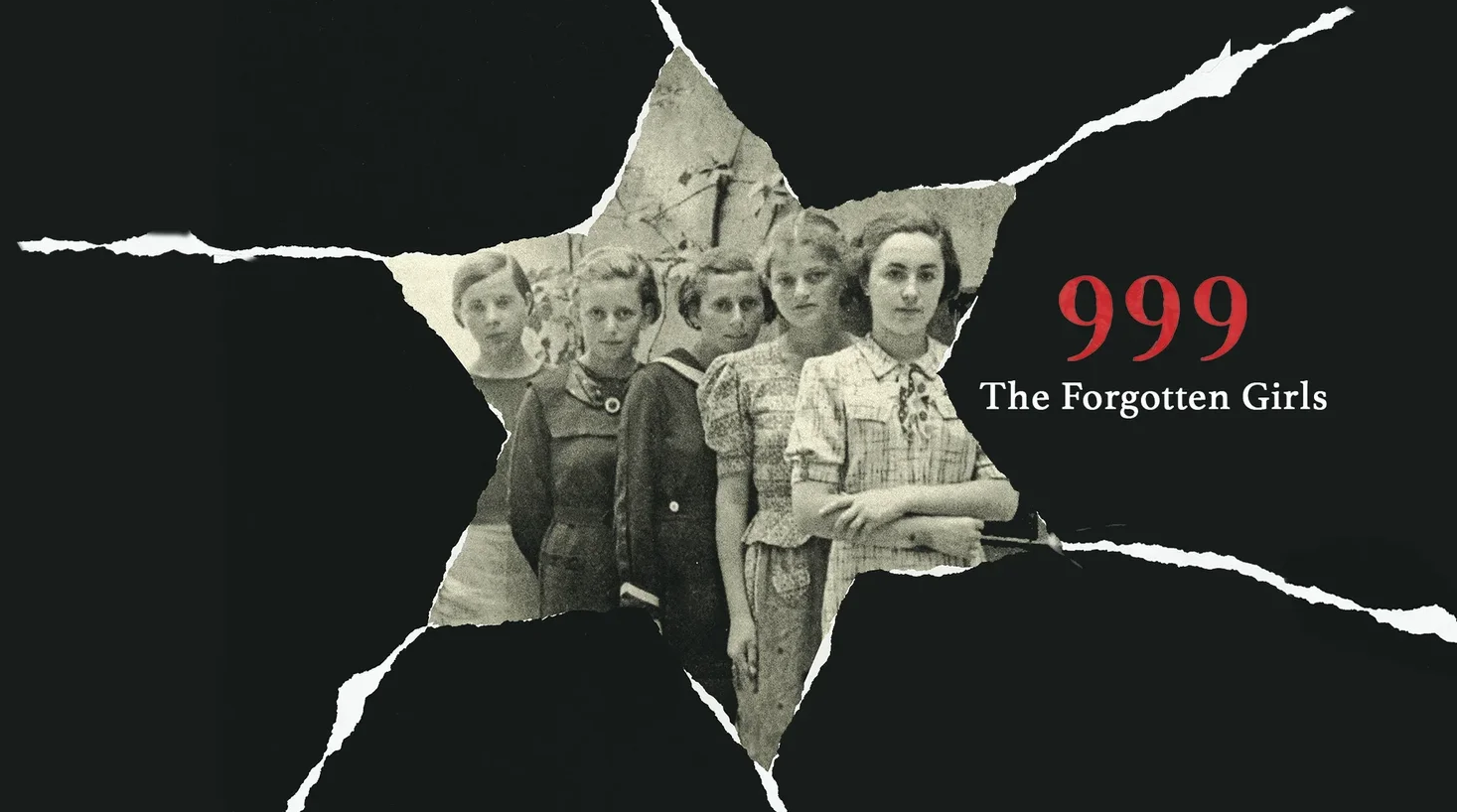
999: The Forgotten Girls of the Holocaust
History is shaped not only by the stories we remember, but also by those that have been left out. 999: The Forgotten Girls of the Holocaust centers the experiences of the first women sent to Auschwitz, uncovering a long-overlooked story of courage, survival, and solidarity. By returning attention to voices that have too often been absent from the historical record, the documentary expands our understanding of one of history’s darkest periods. It also demonstrates why preserving testimony matters: individual experiences can reveal dimensions of history that broader accounts cannot. Through these women’s stories, the film creates an opportunity not only to remember what happened, but to recognize the resilience and solidarity of those who endured it.
Watch for: A recovery of overlooked history told through the voices and experiences of women.
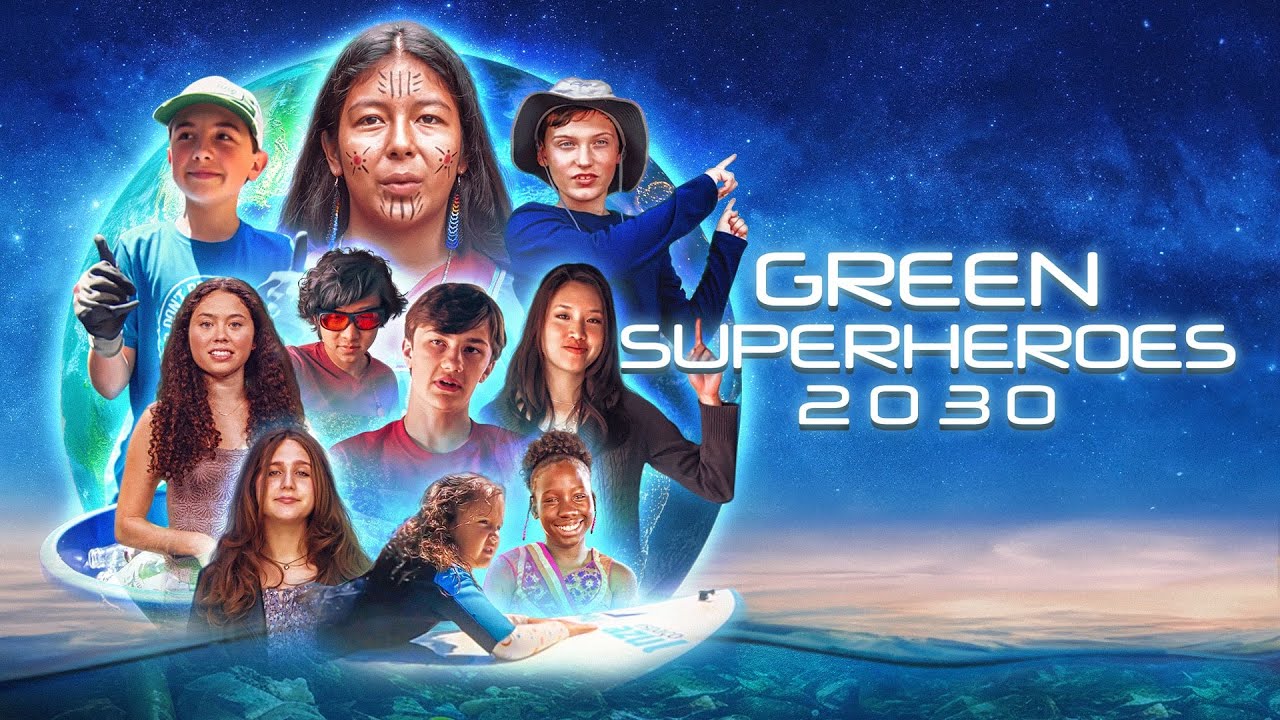
Green Superheroes 2030
What does the future of climate action look like when young people are helping lead it? Green Superheroes 2030 follows 10 young environmentalists working to turn ambitious ideas into real-world impact and inspire a new generation to protect the planet. Instead of approaching the climate crisis only through the scale of the challenge, the documentary focuses on agency. Its young subjects demonstrate what environmental leadership can look like when people move from concern to action, offering audiences examples of how individuals can participate in creating change. Their stories offer a hopeful counterpoint to narratives of climate helplessness, showing that meaningful environmental action can begin with people willing to imagine and build something different.
Watch for: A hopeful, youth-led perspective on environmental action and the next generation of climate leadership.
Run Hide Fight
For young people growing up in the United States, gun violence is not simply an issue debated in the news. For many, it is something that shapes how they experience schools, neighborhoods, and their own sense of safety. Produced by student reporters, Run Hide Fight follows young people navigating the realities of gun violence while working to create meaningful change within their communities. The perspective behind the camera is an important part of the story. By putting young reporters in the position of documenting an issue that directly affects their generation, the film creates space for young people to tell these stories in their own voices rather than simply being the subjects of them. In doing so, Run Hide Fight shows the power of journalism and documentary storytelling not only to record what is happening, but to give communities a platform to participate in the conversation surrounding it.
Watch for: Youth journalism that puts the perspectives of a generation living with gun violence at the center of the story.
__________________________________________________________________________________________
Enter the 6th Annual Anthem Awards
You still have time to honor your advocacy at the 6th Annual Anthem Awards! Enter your work at entries.anthemawards.com by the Extended Entry Deadline on Friday, September 18th. This is your last chance to enter this season.